
The Revolution Never Sleeps
Leo XIV Appoints a Bishop Who Says Catholicism Is Not Superior, Empowers Bureaucrats to Remove Monastic Superiors, and Becomes the “Moral Compass” of Spain’s Socialists

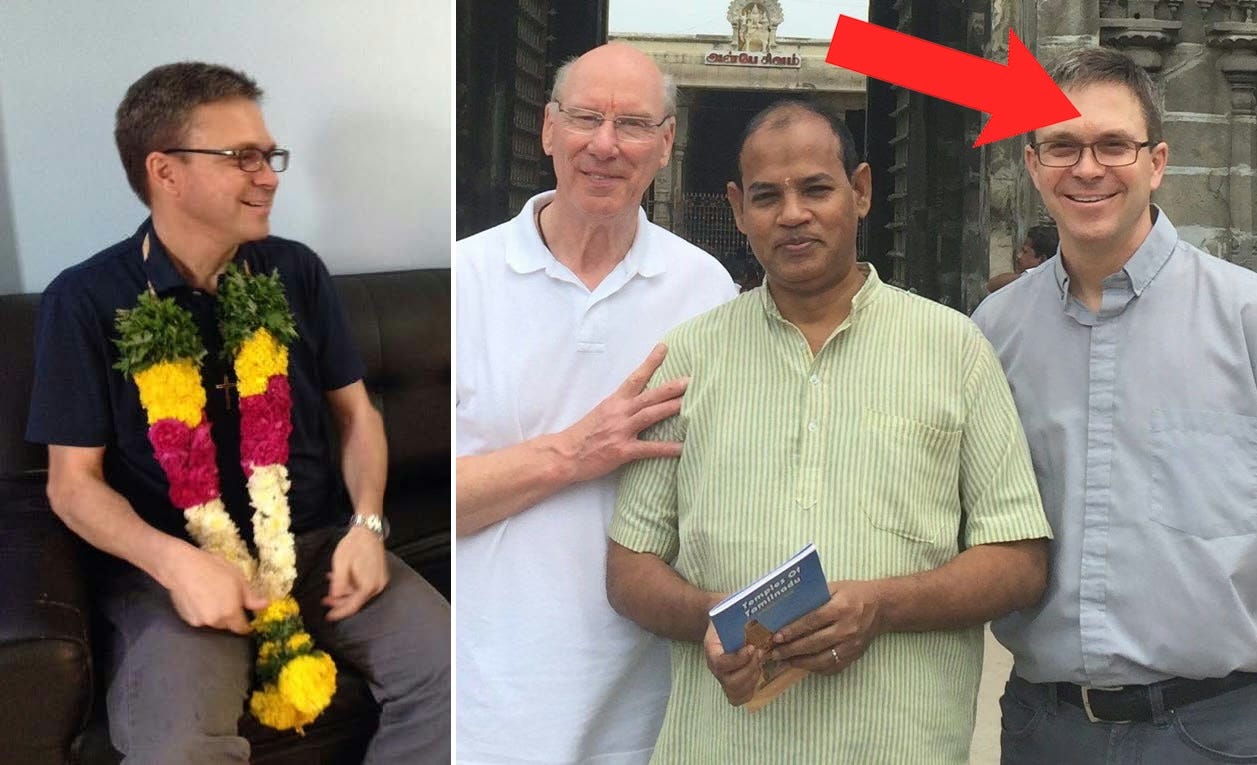
The New Bishop Who Learned That Catholicism Is Not Superior
Leo XIV’s appointment of Fr. Kenneth Thorson as Bishop of Prince Albert would have been almost unimaginable in the age of Pius XII. Consider the themes that emerge from his public statements.
The traditional missionary model is criticized as colonial. The effort to convert indigenous peoples is portrayed as harmful. The belief that salvation comes only through the Catholic Church is treated as a theological mistake of the past.
Catholicism itself is described as having wrongly considered itself “superior.” The missionary is no longer the teacher but the student. The evangelizer is no longer sent to bring truth but to discover truth. The Church is no longer the ark of salvation but a conversation partner.
Notice how dramatically the center of gravity has shifted. For centuries Catholic missionaries crossed oceans believing they possessed something the world desperately needed: the fullness of divine revelation. They endured disease, persecution, exile, imprisonment, and martyrdom because they believed souls were at stake.
St. Francis Xavier traveled to Asia and the North American Jesuit martyrs were boiled, tortured, and mutilated because they believed Jesus Christ founded one Church. That conviction animated the missionary age. Today the missionary is often told to apologize for having possessed it.
From Conversion to Accompaniment
One of the most revealing statements attributed to Thorson concerns evangelization. The old vision allegedly saw mission as bringing the Gospel to a pagan people. The new vision emphasizes “walking with.” That phrase has become one of the most revealing slogans of the modern Church.
Walk with. Journey with. Accompany. Listen. Discern. Dialogue.
Notice how rarely these words have destinations. The vocabulary of conversion is gradually replaced by the vocabulary of process. The old missionary asked: “How can these souls come to Christ?” The new missionary asks: “How can we learn from one another?” The first question seeks conversion. The second seeks coexistence. One produced missionaries. The other produces facilitators.
Smudging and the New Liturgical Imagination
The incorporation of indigenous smudging ceremonies into Catholic contexts perfectly illustrates the postconciliar mindset. Defenders inevitably insist that such practices are merely cultural expressions.
Yet Catholics once understood that worship forms belief. The Church historically examined pagan customs with extraordinary caution because she recognized that rituals carry theological meaning. The concern was never racism. It was religion.A ritual is never just a ritual. The question is whether religious symbols originating outside Christianity should be incorporated into Catholic worship.
For most of Catholic history the answer would have been obvious.
Today even asking the question is treated as suspicious.
Who Governs the Monasteries?
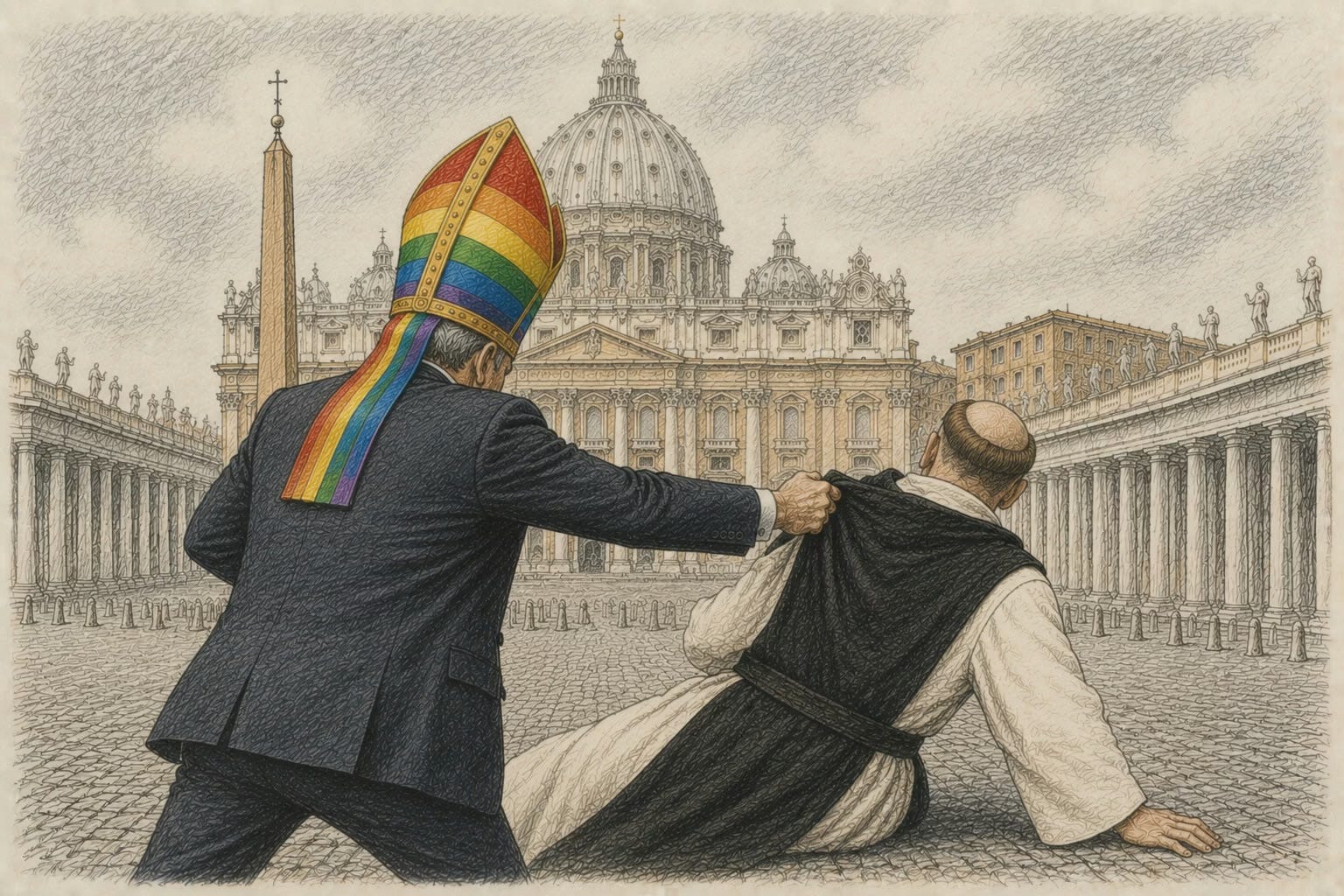
The second story received far less attention but may prove equally significant. Leo XIV has authorized a process by which diocesan bishops can be empowered to dismiss monastic superiors. The immediate question concerns authority. The broader question concerns centralization.
For decades the Vatican spoke endlessly about subsidiarity, synodality, decentralization, and listening. Yet the practical reality of the postconciliar Church often looks remarkably different.
Now another mechanism appears that potentially expands external control over monastic governance. The irony is difficult to miss. The era that promised freedom from rigid structures has generated a bureaucracy of astonishing reach.
The Feminization of Governance
The symbolism is equally noteworthy. The Dicastery overseeing these matters is headed by Sister Simona Brambilla, with Sister Tiziana Merletti serving as secretary. For years Catholics were assured that women did not need ordination because influence could be exercised through governance. The practical result is increasingly visible.
Women may not celebrate Mass. Women may not hear confessions. Women may not ordain priests.
But women increasingly occupy positions of administrative authority over institutions historically governed by clergy. This reflects a broader trend visible throughout the Francis and Leo eras. The revolution rarely advances through direct doctrinal declarations. It advances through administrative realities. What cannot be achieved through theology is often achieved through structure.
The Socialist’s Moral Compass
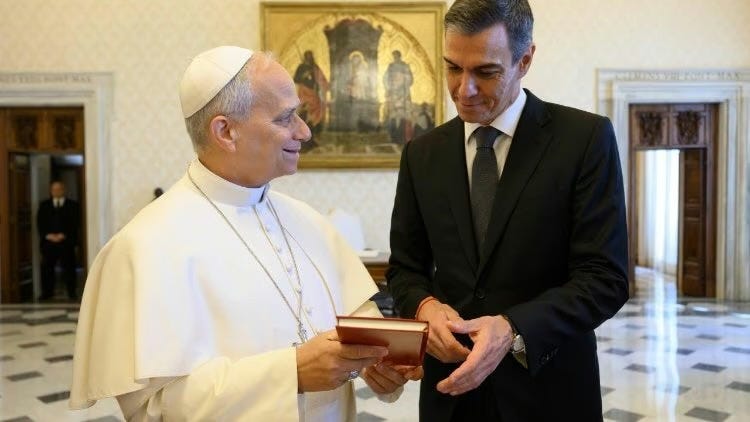
Then there is Spain.
Pedro Sánchez emerged from his audience with Leo XIV declaring a strong alignment between himself and the Pope. This is the same political leader associated with abortion expansion, euthanasia legislation, transgender ideology, attacks on traditional social norms, and aggressive secularization.
Yet he publicly described Leo XIV as a moral compass.
That statement alone should have generated uncomfortable questions.
How exactly does a socialist architect of modern Spain’s secular revolution perceive such profound alignment?
The answer is not difficult to find.
Migration.
Climate themes.
Poverty rhetoric.
Humanitarian language.
Artificial intelligence regulation.
Global governance themes.
These are precisely the subjects on which modern secular progressives and Vatican officials frequently discover common ground. Notice what is absent. There was no public emphasis on abortion, euthanasia, demographic collapse, Spain’s destruction of Catholic identity or the moral revolution transforming Europe.
The issues that once defined Catholic resistance to secular liberalism increasingly occupy secondary status.
The Great Inversion
A century ago socialists feared the Vatican. Today socialists often praise it. This is a dispute over the purpose of the Church. Is the Church primarily a teacher or a listener? The modern crisis increasingly revolves around this question.
Leo XIV may speak of continuity. His defenders may insist that nothing essential has changed. Yet appointments reveal priorities. Administrative decisions reveal assumptions. Political alliances reveal sympathies. And when viewed together, these stories point in the same direction.
The revolution never announces itself.
It simply continues.
If you value independent Catholic analysis and want to help keep this work going, you can make a contribution or subscribe below. Every donation and subscription directly supports the writing, research, and production of Hiraeth in Exile.
Thank you for helping preserve independent Catholic journalism rooted in truth and tradition.
If the statement, "The belief that salvation comes only through the Catholic Church is treated as a theological mistake of the past." is true then there is no Catholic Church.
These people are all apostates and they should all be stated as such.
We are faced with having to choose between what we know to be true and what we know to be false. Only now truth seems to wear a wry face and falsehood is dressed in holy white.
But we have a guide for this, the words of Our Lord: "Do not judge by appearances, but give just judgment."
What will we do?